Canvas is accessible only within New Zealand and Australia.

Canvas is accessible only within New Zealand and Australia.
Mentoring is how trade knowledge gets passed on — and an investment in the future capability of your team and your industry.
Mentoring is an essential tool for passing on wisdom, developing talent and strengthening every part of your business. It's not just support for the apprentice — it's an investment in the future capability of your team and industry.
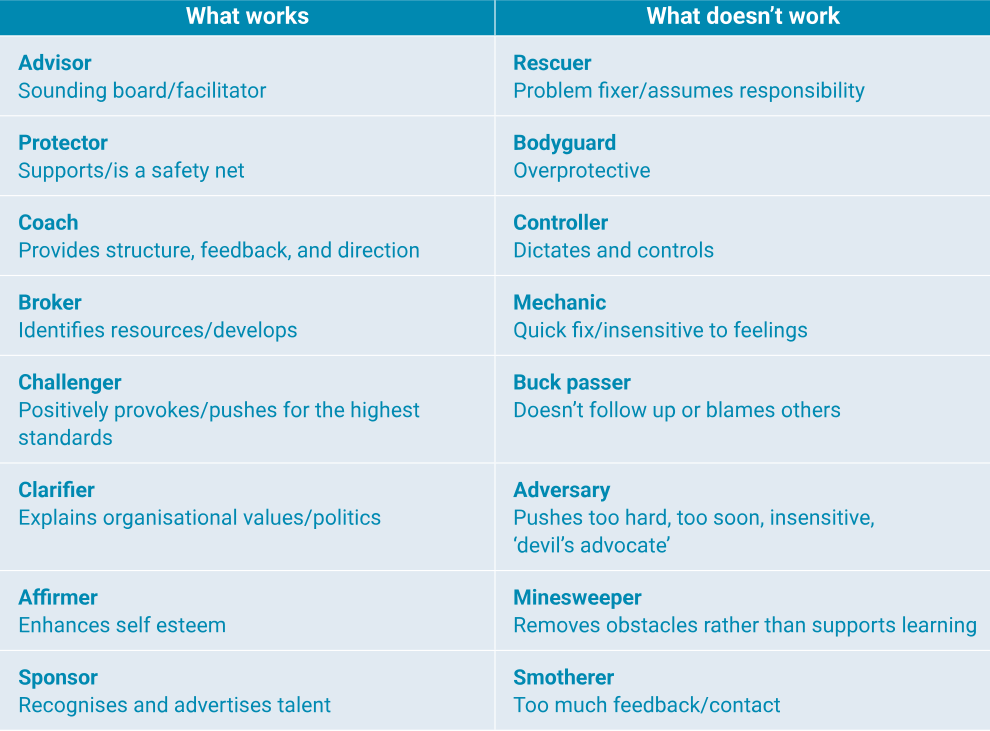
Apprenticeships can be challenging: pressure to perform, a lot to learn, and often a steep adjustment to the world of work. Mentoring helps apprentices navigate all of that. A good mentor is someone they trust — someone who listens, gives perspective and helps them find their own way forward.
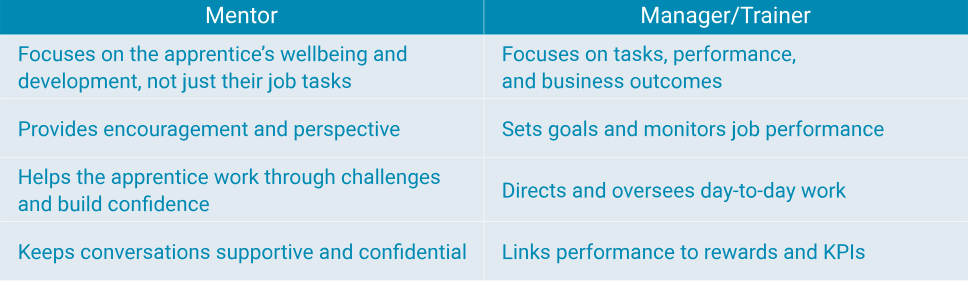
It's important to understand that mentoring is different from managing or training. A mentor focuses on the apprentice's personal growth — offering encouragement, sharing experience, and helping them build confidence. A manager or trainer is focused on tasks, targets, and performance. Both roles are important, but they serve different purposes and work best when clearly understood and separated.
"My mentor always has ideas for how I could approach things differently or get support when I need it."
"My manager helps me too — but they've got a lot on, and I don't want to seem like I'm falling behind."
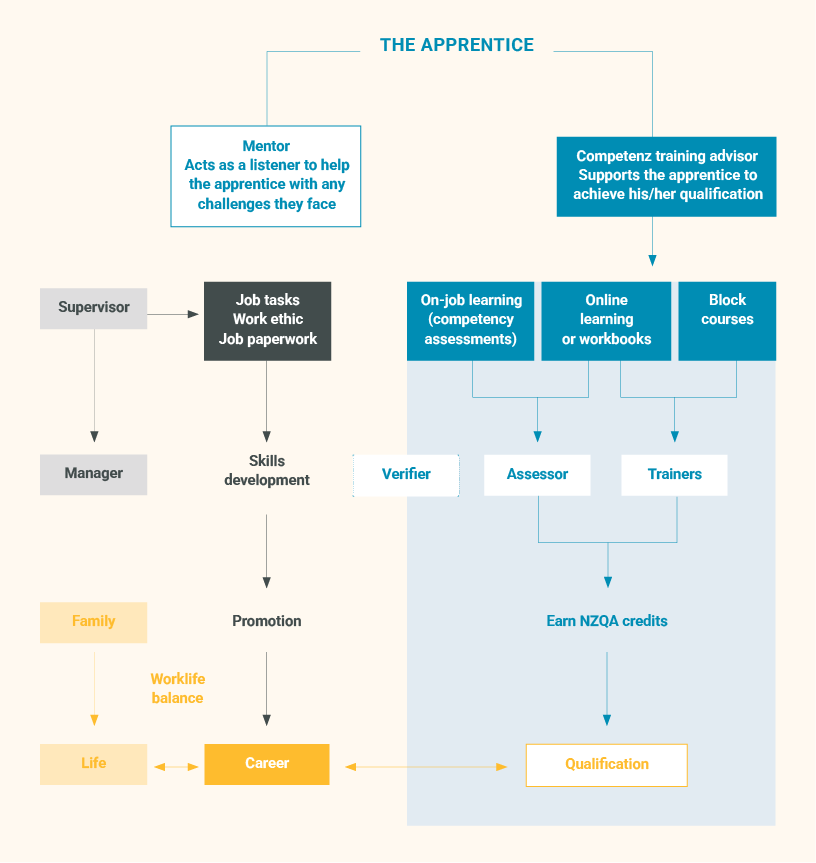
Mentoring takes commitment. The relationship builds through regular one-on-one conversations focused on listening, reflecting and growing confidence. For mentoring to succeed it needs time, structure and a clear separation from performance management.
Research shows that apprentices thrive when their mentor is not also their direct line manager — and mentors do better when they aren't also responsible for workplace outcomes.
When mentoring is done well:
Mentoring strengthens every element of an apprenticeship, from skill development to motivation and retention. You can expect to see improvement in:
Mentors often find that supporting someone else's development sharpens their own communication, leadership and problem-solving skills.
Any worker can mentor others, with real benefits to everyone involved.
Job satisfaction often comes from making a meaningful contribution. Mentoring lets senior staff pass on knowledge, stay engaged and feel valued; it retains hard-earned expertise and supports succession planning.
Mentoring helps experienced workers grow beyond technical roles, building communication, leadership and coaching skills and often reigniting a sense of purpose.
Mentoring builds confidence and reinforces learning, giving a sense of responsibility and developing empathy and communication. It helps if the mentor has been an apprentice themselves.
Mentoring helps all parties understand and bridge cultural differences. The Māori and Pasifika Trades Training Initiative (MPTT), which includes mentoring, has been hugely successful in creating great apprenticeship opportunities. Competenz also offers Pasifika study groups and learner support — contact your training advisor.
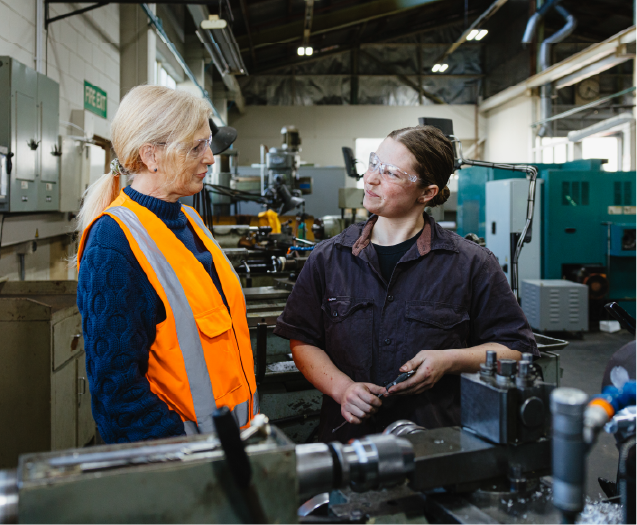
Active listening means to listen fully and aim to understand what is being said. A good tip is to repeat what you think you're hearing to make sure you're on the right track.

GROW is a simple, practical framework that helps structure conversations. The four steps:
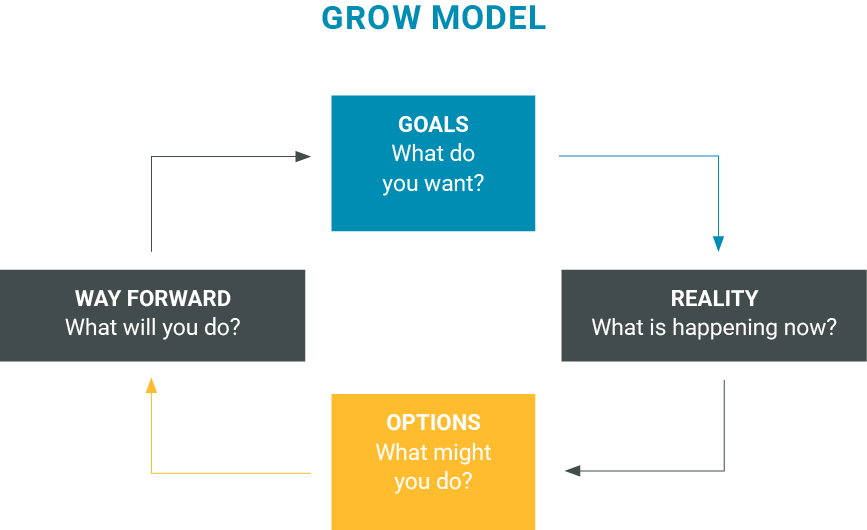
Set a clear, specific goal (short-term like completing a task, or long-term like gaining a new skill). Good goals are SMART: Specific, Measurable, Achievable, Relevant, Time-bound.
Explore the current situation: What's happening right now? What progress has been made? What's standing in the way? This separates fact from assumption.
Encourage a wide range of ideas, even those that seem out of reach. The aim is to open up thinking, not jump to a solution — this builds the apprentice's own problem-solving skills.
Decide the next step: what action, by when, and what support is needed. The apprentice should own the action — this builds motivation and accountability.
Always assume the person you're mentoring has the ability to find their own answers. Your role is to support, guide and unlock their potential — not to direct, fix or control the outcome.
Everyone learns and communicates differently. The VARK model identifies four common learning styles:
There's no right or wrong style — most people use a mix, but knowing what works best for your apprentice makes a big difference when planning training or giving feedback.
Support is available for learners who have literacy and numeracy challenges. Contact your training advisor, who can access specialist support.
Competenz's code of ethics for apprentice mentoring relationships (adapted from Ako Aotearoa and the New Zealand Coaching and Mentoring Centre):